



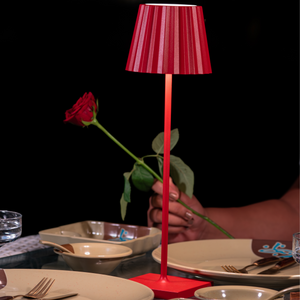
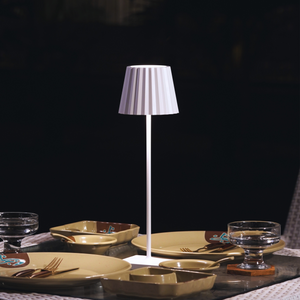
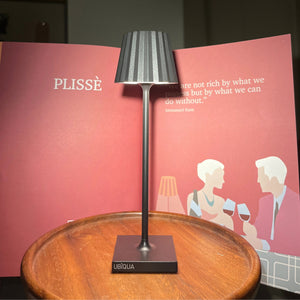
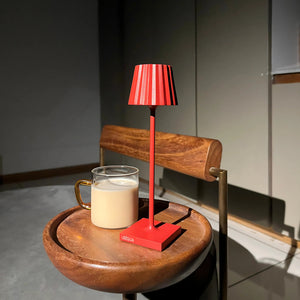
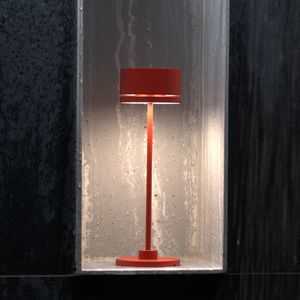
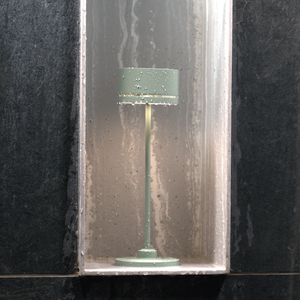
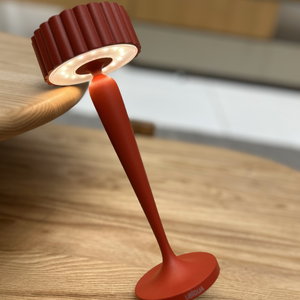
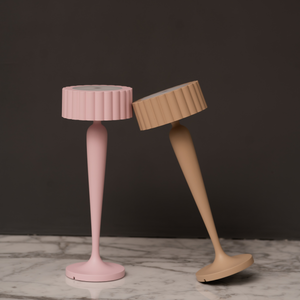
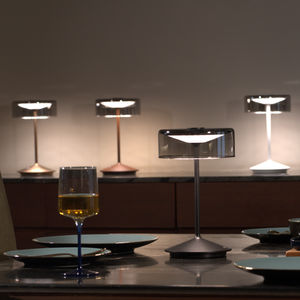
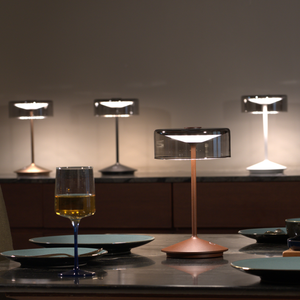
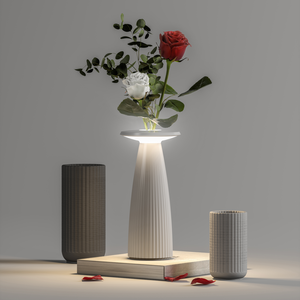
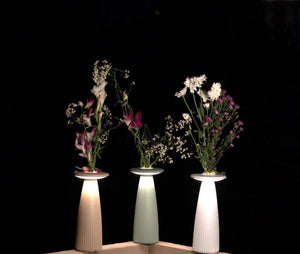


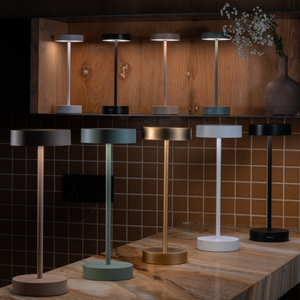
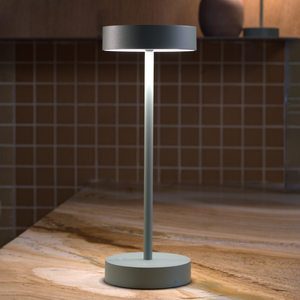
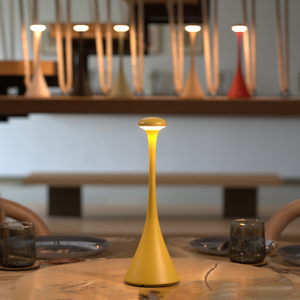
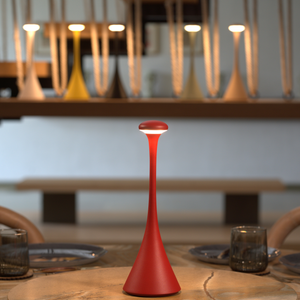
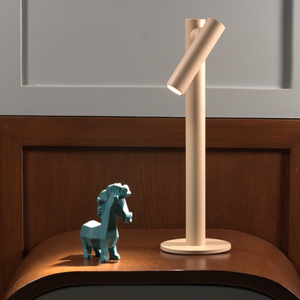
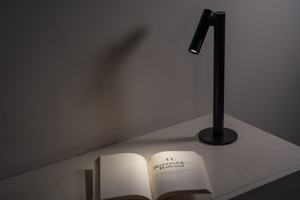


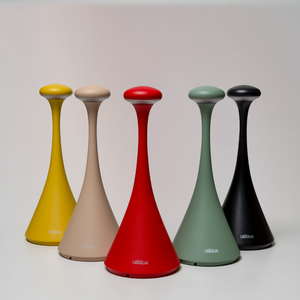
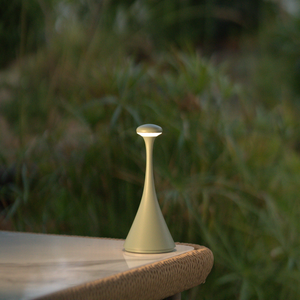
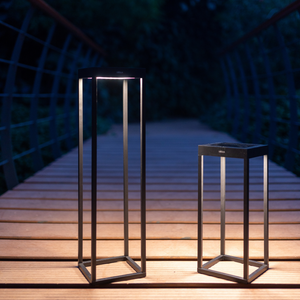
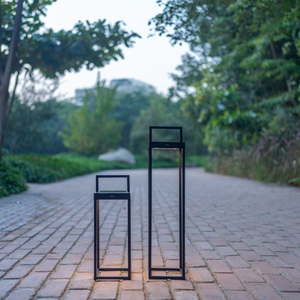
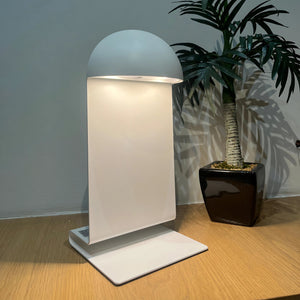
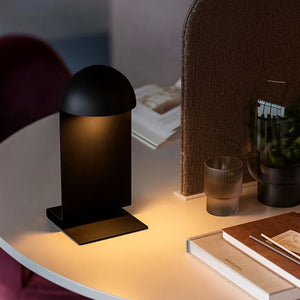
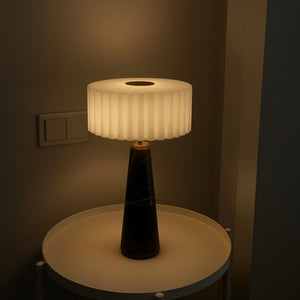
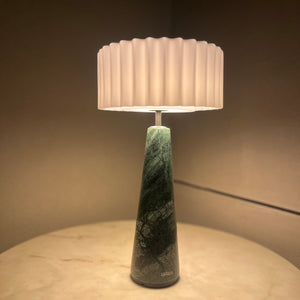
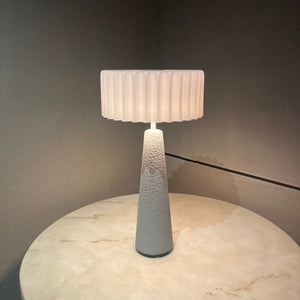
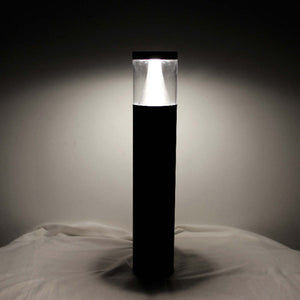
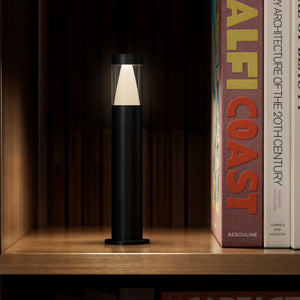
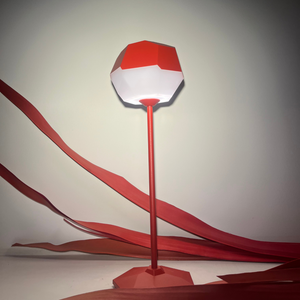
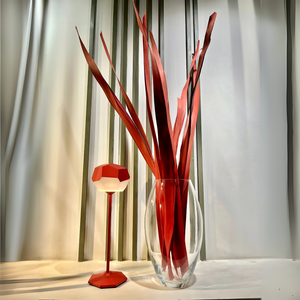
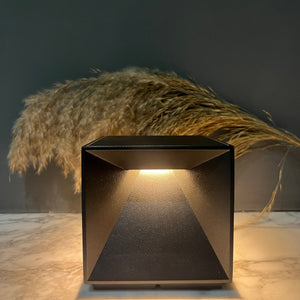
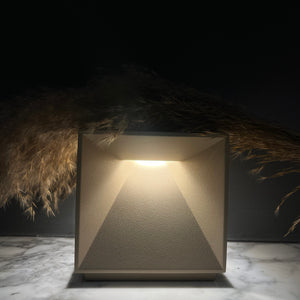
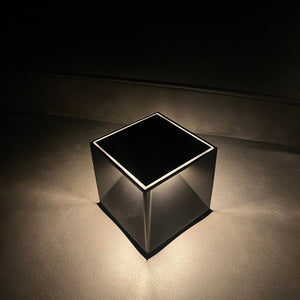
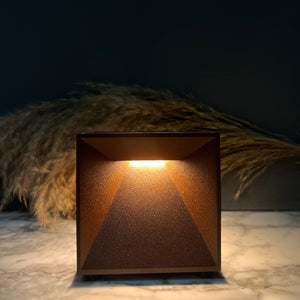
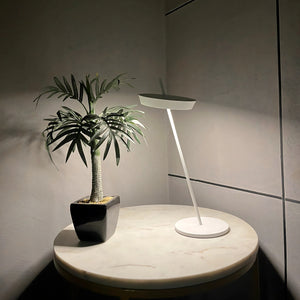
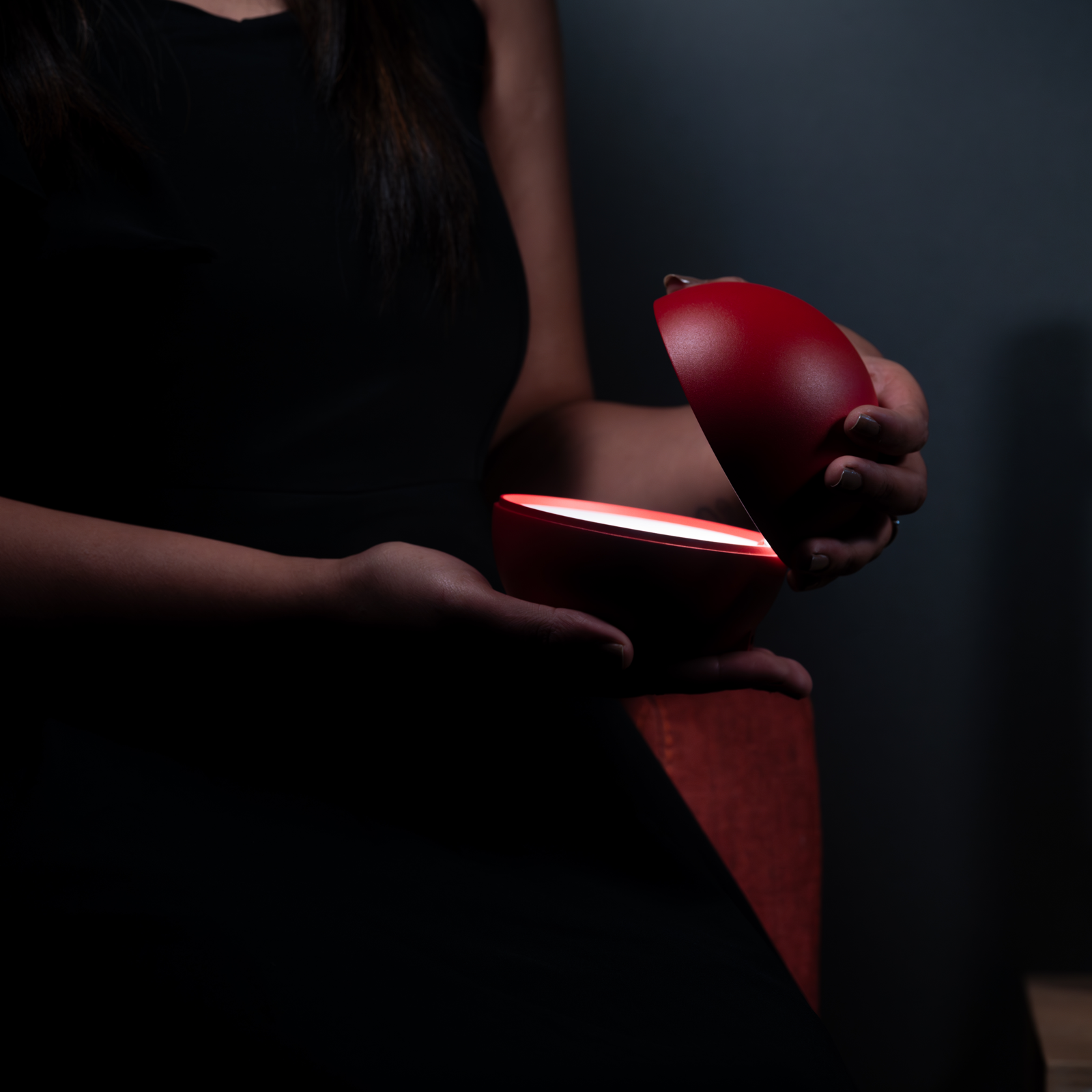
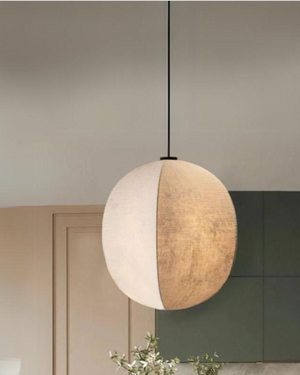
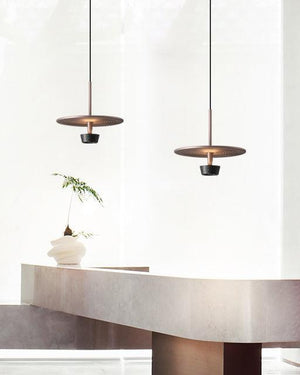
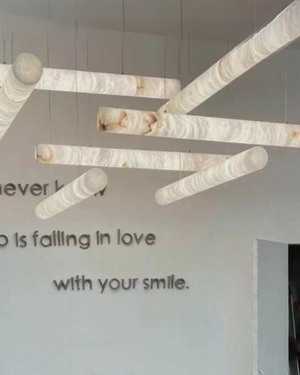
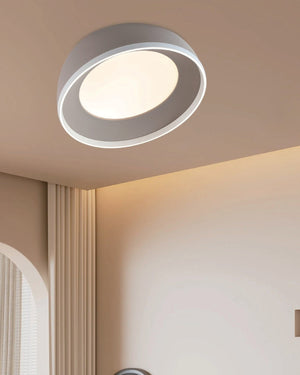
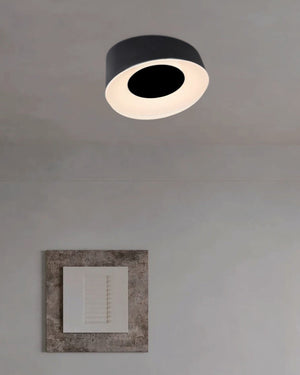
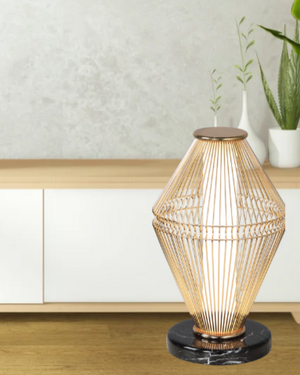
What we see isn’t always what exists, light paints our version of reality.
Introduction: Light, the Original Illusionist
Every beam of light is a trick not on your eyes, but on your mind. What you perceive as brightness or colour is not light itself but how your brain interprets it. From sunsets that seem warmer than they are, to rooms that feel larger, calmer, or more dramatic than their dimensions - Light manipulates perception.
Lighting, isn’t decoration; its deception done beautifully.
At Wit Lamps, we explore this illusion- how something as simple as a table lamp can completely alter what you see, feel, and believe within your space.
The Science Behind the Illusion
The human eye doesn’t see light directly; it sees contrast, reflection, and shadow. Light bends around shapes, reflects off surfaces, and plays with depth tricking our perception of size, colour, and even temperature.
That’s why:
- A bright corner makes a room feel bigger.
- A low-lit lamp makes it feel intimate.
- A warmer hue makes it feel safer.
The illusion works because our brains associate light with emotion and meaning. It’s design psychology but it feels like magic.
How Table Lamps Shape Perception
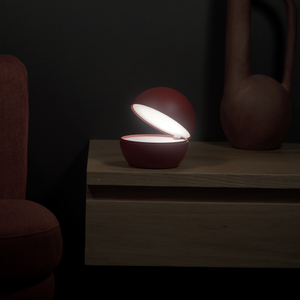
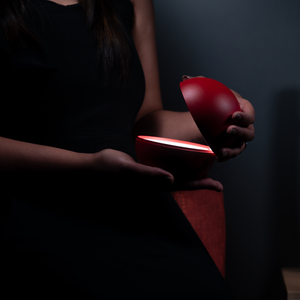
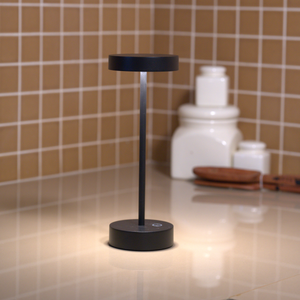
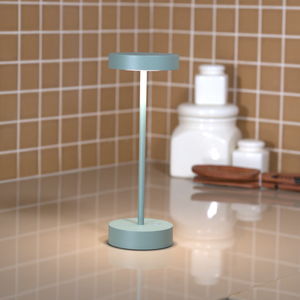
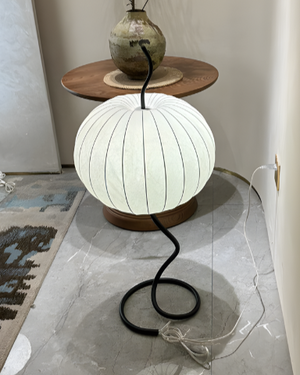
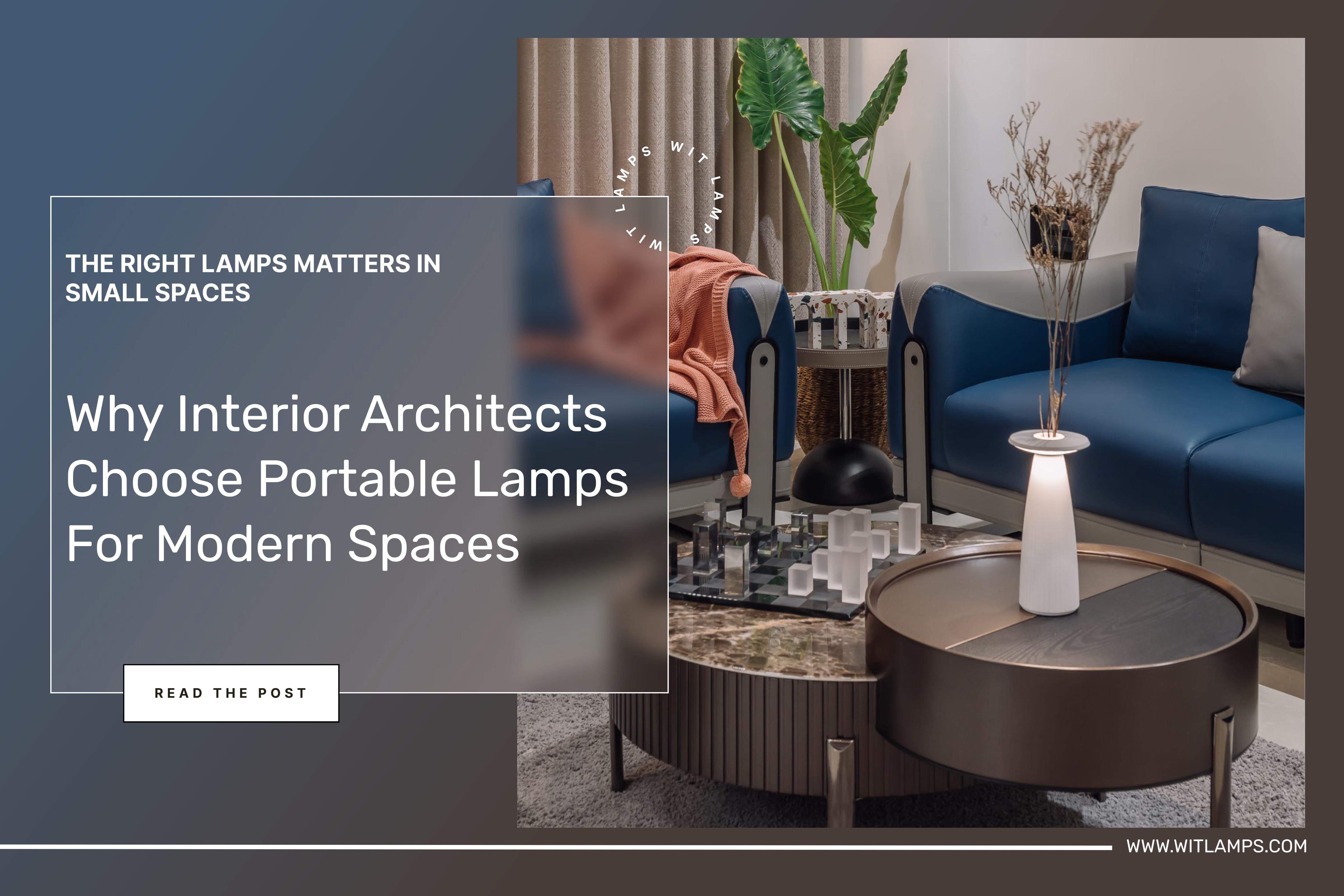
Table lamps are the quiet illusionists of modern interiors. Unlike ceiling lights that dominate, they manipulate perception softly drawing your eye to textures, corners, and moods you didn’t notice before.
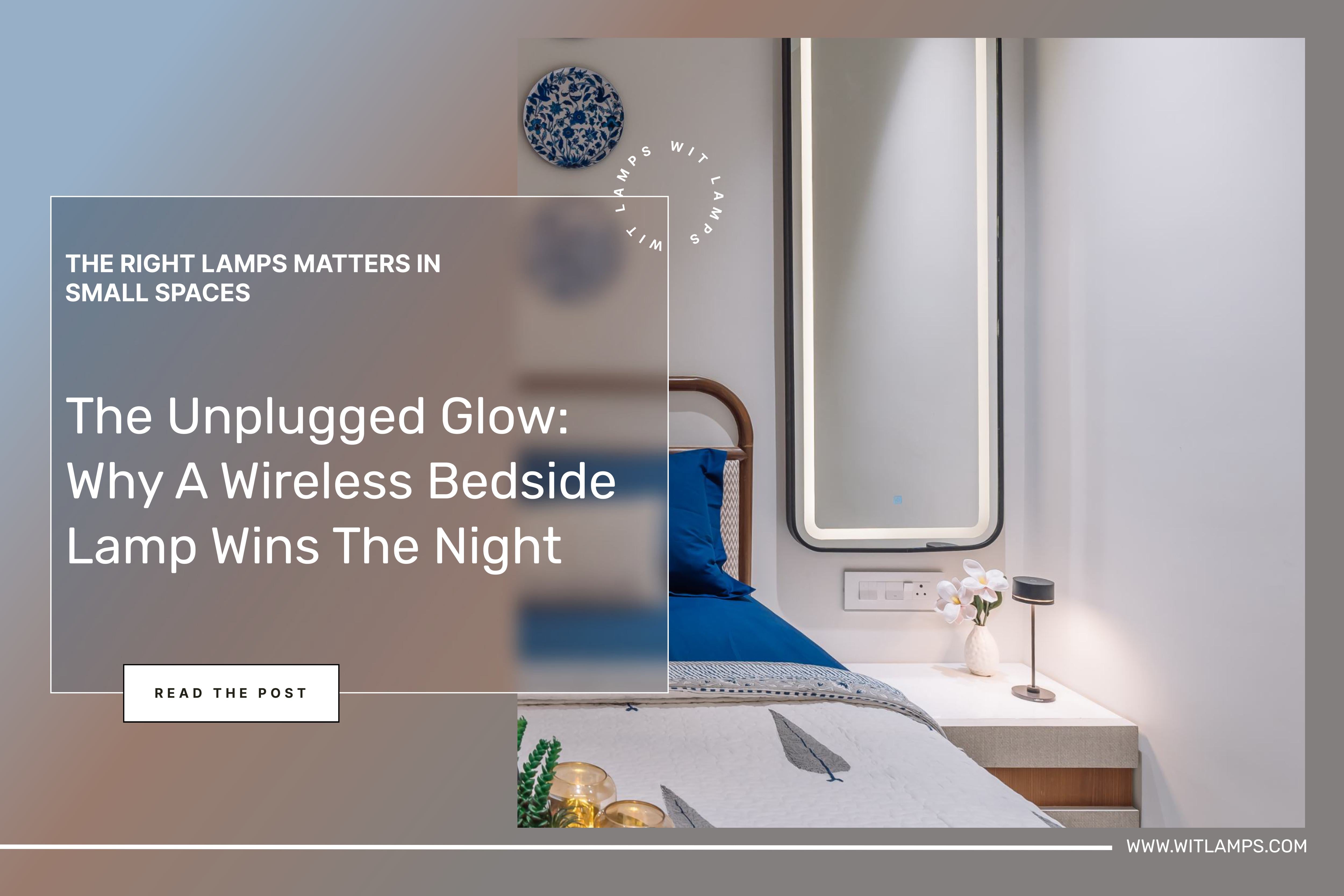
A lamp on your bedside doesn’t just light up a book, it changes the tone of the entire night.
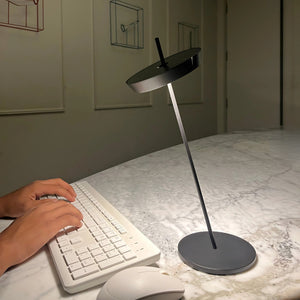
A lamp on your desk doesn’t just add brightness, it adds focus and presence.
And a lamp in your living room doesn’t just complete the décor, it completes the emotion.
The Psychology of Soft Illumination
Soft light reduces harsh visual contrast. It slows breathing, eases tension, and signals safety. That’s why humans instinctively gather around fires, candles, and warm lamps it’s in our DNA.
Table lamps, especially when designed thoughtfully, reconnect us with that primal calm not through intensity, but intimacy.
At Wit Lamps, every piece is designed with this sensory psychology in mind. Each curve, finish, and colour temperature are a part of the illusion to make your mind see, and your heart feel, exactly what the space intends.
The Art of Controlled Illusion
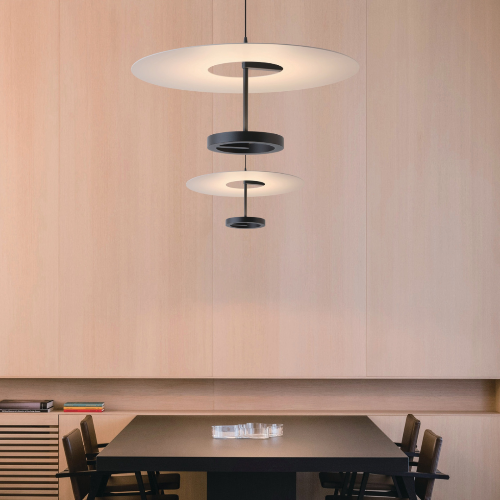
Modern lighting design is no longer about brightness it’s about precision and perception. The right lamp doesn’t overpower a room; it orchestrates it.
With advanced dimming, warm-white transitions, and reflective surfaces, Wit Lamps creates light that behaves like an artist’s brush layering glow, contrast, and shadow with deliberate control.
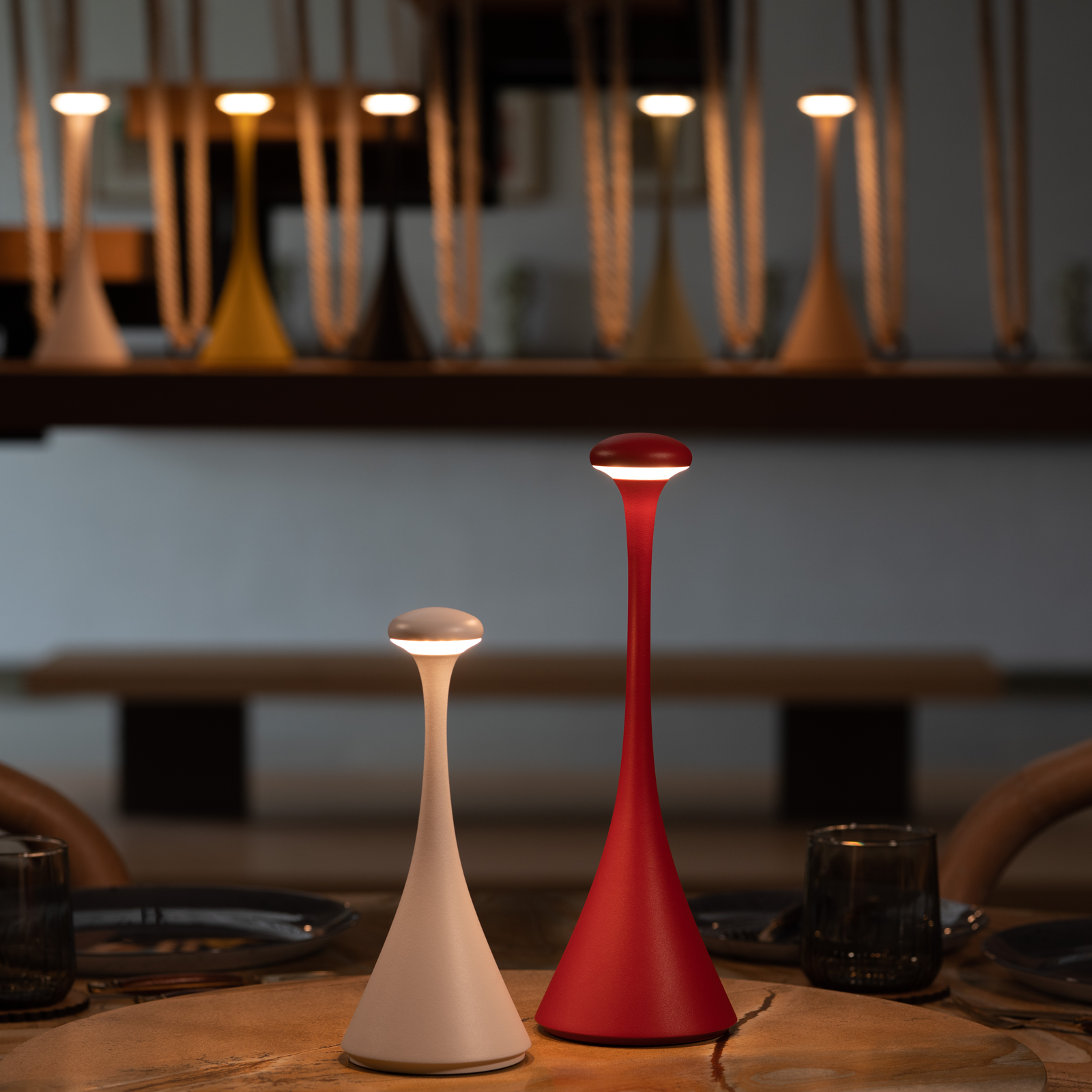
Whether it’s your bedside ritual, creative workspace, or a quiet dinner corner,
OUR LAMPS LET YOU PAINT WITH LIGHT.
Illusion Meets Intention
What makes a space beautiful isn’t how it’s built but how it’s lit.
The illusion of lighting isn’t about falsehood; it’s about emotion. It’s about seeing beauty where there was only shadow before.
At Wit Lamps, we design that illusion so your space doesn’t just look different.
It feels alive.
Light doesn’t lie. It tells stories the eyes believe.
FAQs
Q1. Why is lighting often called an ‘illusion’ in interior design?
Because what we perceive as brightness, warmth, or space is shaped by how light interacts with surfaces. It bends, reflects, and diffuses tricking the human eye into feeling depth, mood, and texture that may not actually exist.
Q2. How does light influence human mood and perception?
Light affects the brain’s emotional and biological responses. Warm tones evoke comfort and intimacy, while cooler hues stimulate focus and alertness. At Wit Lamps, our table lamps are designed to balance both, creating harmony between VISION and EMOTION.
Q3. How do table lamps create a visual illusion in a room?
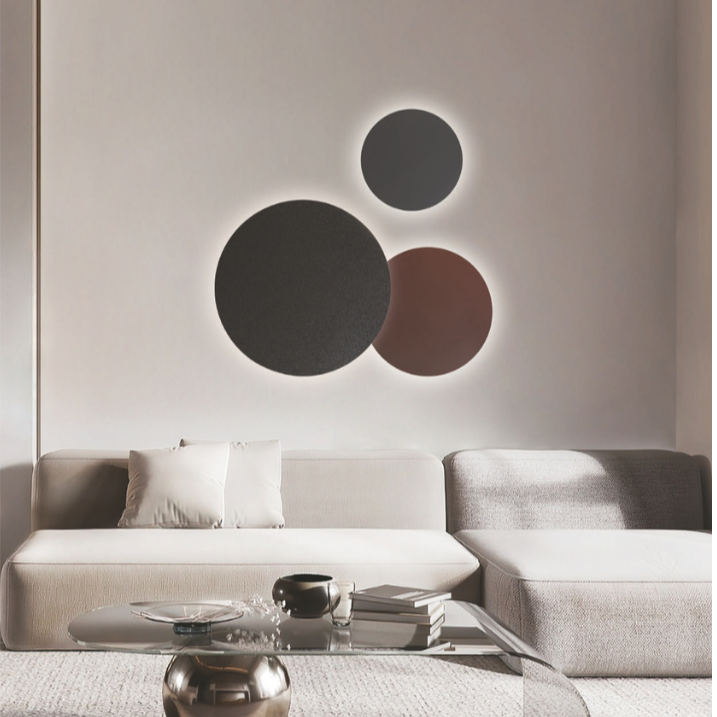
Table lamps use contrast and shadow to reshape how a space is perceived. A soft glow in the right corner can make a room feel larger, calmer, or more inviting proving that small sources of light can have a powerful psychological impact.
Q4. What makes Wit Lamps unique in creating lighting illusions?
Wit Lamps combines design psychology with craftsmanship. Every lamp is engineered to control tone, texture, and diffusion - ensuring that what you see is not just light, but emotion carefully sculpted through illumination.
Q5. How can I use table lamps to enhance the ambience of my space?
Use lamps to layer light instead of relying on overhead fixtures. Position them where shadows naturally fall beside a chair, on a console, or near reflective surfaces to create a gentle illusion of balance, warmth, and depth.

Leave a comment
This site is protected by hCaptcha and the hCaptcha Privacy Policy and Terms of Service apply.